Women Burnout Symptoms: Gender-Specific Warning Signs & Solutions
Do your burnout symptoms feel different from what others describe? You might be experiencing women burnout symptoms shaped by unique biological and societal pressures. Burnout affects 54% of women compared to 42% of men—a gap reflecting distinct workplace challenges and hormonal factors. Our science-backed assessment tool precisely evaluates these gender-specific risks.
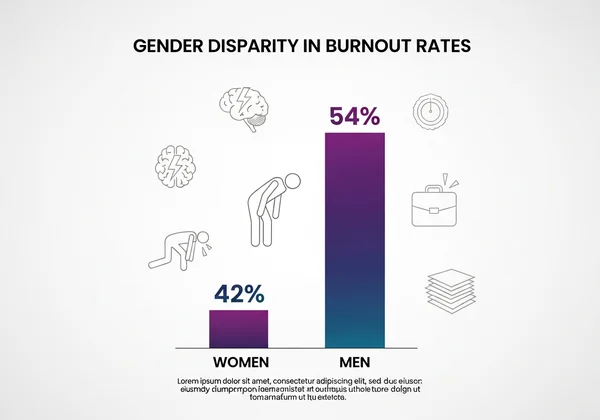
The Gender Burnout Gap
Why Burnout Hits Women Differently
Hormonal fluctuations amplify stress responses. Cortisol levels in women shift differently during burnout phases (Journal of Neuroscience, 2022).
Societal "double burdens"—66% of professional women shoulder >60% household labor (OECD data)—create chronic depletion rarely addressed in standard burnout tests.
The Emotional Labor Factor
Emotional labor—from calming angry clients to managing office dynamics—comprises 68% of women’s burnout triggers (Yale Workplace Study, 2023).
These uncredited tasks:
-
Energy-draining emotion regulation
-
Conflict mediation duties
-
Team morale maintenance

Social Pressures Intensifying Exhaustion
Appearance standards consume cognitive bandwidth. A LinkedIn survey found 83% of women under 40 reported "beauty fatigue" affecting work performance.
Perfectionism epidemics: Women score 22% higher on perfectionism scales vs. men (APA), driving unsustainable effort cycles.
Recognizing Female Burnout Patterns
Physical Symptoms Often Dismissed
Hormonal red flags:
- Irregular menstrual cycles
- Premature perimenopause onset
- Thyroid dysfunction
Immune system collapse:
- 3x higher autoimmune disorder rates in burnout-afflicted women (Mayo Clinic)
Chronic pain patterns:
- Migraines localized behind the right eye
- TMJ disorders from subconscious jaw tension
Emotional Warning Signs
Numbness-not-anger: Unlike male burnout’s irritability, women report "emotional freezing"—a protective detachment from work and relationships.
Secret shame cycles:
- "I should handle this better" thoughts
- Hiding struggles to avoid stereotyping
Behavioral Shifts
Productivity overcompensation: Working 12% longer hours to counter perceived competence doubts (Gallup).
Boundary erosion:
-
Answering emails during family dinners
-
Volunteering for low-reward tasks

Workplace Triggers for Women
Microaggressions and Subtle Bias
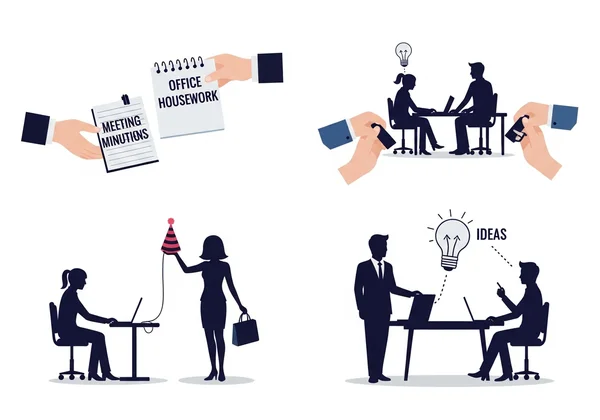
"Office housework" assignments:
- Note-taking in meetings (assigned to women 73% more often)
- Birthday party planning
- Mentoring junior staff
Credit theft: Ideas attributed to male colleagues in 44% tech meetings (MIT Study).
The Motherhood Penalty
"Second-shift" syndrome: Professional mothers work 98 hours weekly combining paid/unpaid labor (LeanIn.Org).
Breastfeeding obstacles: 61% lack workplace lactation spaces, extending physical/emotional strain.
Leadership Double Binds
Competence-Likability Tradeoff: Assertive women leaders are perceived as 35% less likable (Harvard Business Review).
Glass Cliff assignments: Women are 24% more likely to be promoted during crises with high failure risks (UC Davis).
Gender-Responsive Recovery Strategies
Tailored Burnout Testing
Standard burnout assessments miss 9 female-specific markers, including:
- Menstrual cycle disruption severity
- Caregiver guilt intensity
- Emotional labor hours
Our free burnout test incorporates gender-sensitive measures aligned with Maslach Burnout Inventory research.
Boundary Revolution
Scripts for systemic change:
- "I can take notes next quarter if [male colleague] handles this round"
- "Let's rotate event planning duties using this shared tracker"
Flexibility negotiations:
- Core hours vs. location flexibility
- Project-based deadlines over micro-managed schedules
Support Ecosystem Design
Professional sisterhoods:
- Skill-based bartering circles ("I’ll edit your presentation for childcare help”)
- Anonymous struggle-sharing platforms
Mentorship filters: Seek advisors who:
- Voluntarily credit your contributions
- Model sustainable career pacing
Women’s Burnout Explained
1. Are women biologically more burnout-prone? Yes/no. Estrogen protects against stress initially, but chronic overload depletes this advantage. Our personalized burnout assessment identifies your unique biological risk factors.
2. How do I distinguish burnout from depression? Burnout maintains focus on work-related despair, while depression permeates all life aspects. Overlap occurs in 40% cases—use our test’s differential indicators.
3. Can HR policies prevent women’s burnout? Absolutely. Audit policies through our Burnout Impact Scorecard available after you unlock your AI report.
4. Should I disclose burnout to my manager? First, assess your company’s psychological safety using our "Readiness Radar" tool in the extended report.
5. Does your test work for neurodivergent women? Yes! We adjust for ADHD/autism cognitive patterns in our optional AI-powered deep analysis.
Break the burnout cycle today: 👉 Take the 7-minute gender-smart burnout test 👉 Get your free risk summary instantly 👉 Unlock AI-customized recovery strategies
Your fatigue isn't failure—it's data. Let’s decode it together.
Your science-backed partner in sustainable success. Never diagnostic. Always empowering.