Prevent Burnout: Take Our Free Burnout Test & Top Strategies
The Silent Threat: How to Stop Burnout Before It Starts
Do you end every workday feeling completely drained, as if your energy reserves have been completely emptied? Have you started to feel cynical or detached from a job you once enjoyed? This persistent exhaustion and growing negativity isn't just stress—it could be the slow, creeping advance of burnout.
Burnout isn't just a bad week. It's chronic physical and emotional exhaustion. It harms your health, relationships, and career. The good news is that burnout is not inevitable. By understanding its signs and taking proactive steps, you can stop it before it takes hold. This guide provides science-backed strategies and prevention tips to help you reclaim your well-being.
The first step in prevention is awareness. Understanding your current risk level is crucial for knowing where to focus your energy. A confidential and structured self-assessment can provide the clarity you need to begin. You can get a clear picture of your situation with a free burnout test.

Understanding Burnout: Why a Free Burnout Test for Prevention Matters
Many professionals wait until they are completely overwhelmed to address burnout. By then, recovery can feel like an uphill battle. Proactive prevention builds sustainable habits before a crisis. It creates a buffer against daily job pressures, safeguarding your mental health.
Think of it like maintaining a car. You don't wait for the engine to fail before changing the oil. Similarly, tending to your well-being through small, consistent actions is far more effective than trying to fix a major breakdown. Taking steps to prevent burnout preserves your passion, creativity, and long-term career success.
Is it Burnout or Just Tiredness? Recognizing the Key Differences
It's easy to confuse burnout with simple tiredness or stress. While they can feel similar, their roots and solutions are very different. Understanding these distinctions is key to addressing the right problem.
- Tiredness is typically short-term. It's a physical or mental fatigue that a good night's sleep, a relaxing weekend, or a vacation can usually resolve. You still have the underlying motivation to engage with your work after you've rested.
- Burnout, on the other hand, is a chronic state of exhaustion that rest alone cannot cure. It’s characterized by a deep sense of disillusionment and emotional depletion. Even after a break, you may still feel dread, cynicism, and a lack of motivation toward your job.
If you find that weekends are no longer enough to recharge your batteries and you consistently feel detached from your work, it’s a sign you might be dealing with more than just fatigue.
The Core Dimensions of Occupational Burnout (MBI Principles)
To effectively prevent burnout, it helps to know what it actually is. Experts using the Maslach Burnout Inventory (MBI) highlight three key areas:
- Exhaustion: This is the most prominent symptom. It's a profound sense of feeling emotionally overextended and drained of all physical and emotional energy. You feel like you have nothing left to give.
- Cynicism or Depersonalization: This dimension involves developing a negative, detached, or overly cynical attitude toward your job, your colleagues, and your clients. You may feel irritable and start to distance yourself emotionally from your work.
- Reduced Professional Efficacy: This is the feeling that you are no longer effective in your role. You might struggle with a sense of incompetence, doubt your abilities, and feel a distinct lack of accomplishment, even when you complete tasks.
Recognizing these dimensions in yourself is the first step toward taking meaningful action.

12 Science-Backed Burnout Prevention Strategies for Professionals
Building resilience against burnout isn't about one single change; it's about incorporating a series of small, intentional habits into your life. Here are 12 practical strategies to help you stay engaged, energized, and effective at work.
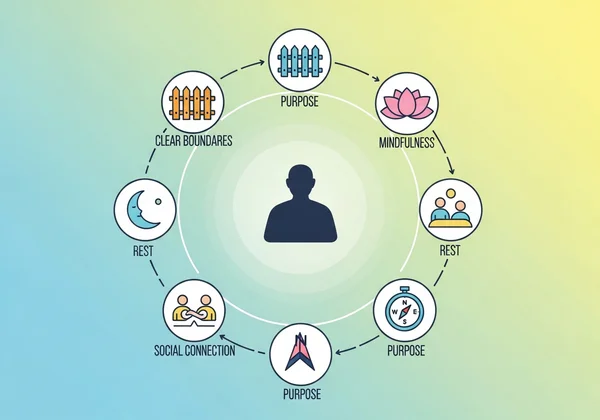
Set Clear Boundaries: Protecting Your Time and Energy
Boundaries are the invisible lines that protect your personal time and mental space. This means defining when your workday starts and ends. Avoid checking emails late at night or taking on non-urgent tasks over the weekend. Learning to say "no" to requests that overextend you is not selfish—it's essential for long-term sustainability.
Optimize Workload: Managing Tasks for a Sustainable Pace
An overwhelming workload is a primary driver of burnout. Prioritize your tasks using a system like the Eisenhower Matrix (urgent/important). Break large projects into smaller, manageable steps to create a sense of progress and reduce feelings of being overwhelmed. Communicate with your manager if your workload is consistently unrealistic.
Integrate Mindfulness: Cultivating Presence and Calm
Mindfulness is the simple practice of paying attention to the present moment without judgment. You don't need to meditate for an hour a day. Start with small actions, like taking three deep breaths before a meeting, savoring your morning coffee without distractions, or taking a short walk and focusing on your surroundings.
Prioritize Rest: Non-Negotiable Sleep and Recharge
Sleep is your body’s primary recovery tool. Aim for 7-9 hours of quality sleep per night. Improve your sleep hygiene by creating a relaxing bedtime routine and reducing screen time before bed. Remember that rest isn't just sleep; it's also any activity that helps you feel restored, like reading, listening to music, or spending time in nature.
Foster Connections: Building a Strong Support Network
Isolation fuels burnout. Cultivate strong relationships with supportive colleagues, mentors, friends, and family. Having people you can talk to about your challenges provides an emotional outlet and a fresh perspective. A strong support system reminds you that you are not alone.
Reconnect with Purpose: Finding Meaning in Your Work
Losing sight of why you do what you do can lead to detachment. Take time to reflect on what aspects of your job you find meaningful. How does your work contribute to a larger goal or help others? Finding even small connections to your personal values can reignite your motivation.
Develop Emotional Resilience: Handling Stress Effectively
Resilience is your ability to bounce back from adversity. One powerful technique is cognitive reframing—challenging negative thought patterns and looking for alternative, more positive interpretations of a situation. This helps you manage your emotional response to workplace stressors more effectively.
Take Regular Breaks: The Power of Stepping Away
Working for hours without a break depletes your focus and energy. Use techniques like the Pomodoro Method (25 minutes of focused work followed by a 5-minute break) to structure your day. Step away from your desk, stretch, or get some fresh air. These short pauses can dramatically improve your productivity and well-being.
Learn to Delegate: Empowering Others and Yourself
You don't have to do everything yourself. Delegating tasks is a sign of strong leadership and trust in your team. It not only lightens your load but also empowers your colleagues to develop new skills. If you're not in a management role, consider how you can collaborate with peers to share responsibilities.
Practice Self-Compassion: Be Kind to Yourself
High achievers often have a harsh inner critic. Practice treating yourself with the same kindness and understanding you would offer a friend who is struggling. Acknowledge that making mistakes is a part of growth and that it's okay not to be perfect. Self-compassion is a powerful antidote to feelings of inadequacy.
Seek Feedback: Grow and Adapt Proactively
Uncertainty is a major source of stress. Regularly seeking feedback from your manager and peers can provide clarity on your performance and expectations. This creates a clear path for growth and reduces the anxiety that comes from guessing about your standing.
Know When to Seek External Support: Professional Guidance
Sometimes, individual strategies aren't enough. If you're struggling, don't hesitate to seek support from a therapist, counselor, or coach. These professionals can provide you with personalized tools and strategies to navigate your challenges. Many companies also offer Employee Assistance Programs (EAPs) as a confidential resource.
Implementing a Comprehensive Workplace Burnout Prevention Guide
While individual efforts are vital, preventing burnout is also a shared responsibility. A healthy workplace culture is the ultimate defense against widespread exhaustion and cynicism.
Creating a Supportive Culture: A Collective Effort
Organizations play a huge role in employee well-being. A supportive culture is one where leaders model healthy work-life boundaries, psychological safety is prioritized, and employees are recognized for their contributions. Fostering open communication, ensuring manageable workloads, and providing resources for mental health are key components of a burnout-proof workplace.
The Role of Self-Assessment in Proactive Prevention
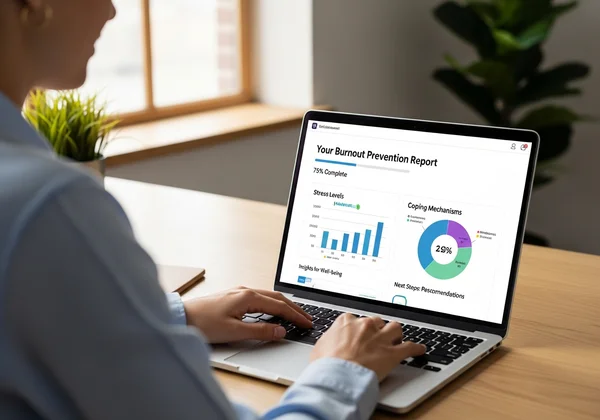
You can't fix a problem you don't fully understand. This is where self-assessment becomes a powerful tool for proactive prevention. A structured assessment clarifies your risks. It shifts you from vague 'stress' to specifics like exhaustion or cynicism.
This knowledge empowers you to take targeted action. An online burnout assessment based on scientific principles gives you a personal baseline, helping you see where you stand and what areas need the most attention. It’s the first, most important step toward creating a personalized prevention plan.
Your Proactive Path to Sustained Well-being and Professional Growth
Burnout doesn't happen overnight, and neither does prevention. It's a continuous practice of self-awareness, setting boundaries, and prioritizing your well-being. By adopting these strategies, you are not just avoiding exhaustion; you are actively investing in a more sustainable, fulfilling, and successful professional life.
The journey starts with a single, informed step. Instead of guessing about your stress levels, get a clear and confidential snapshot of your current state. This allows you to build a prevention plan that is tailored to your unique needs.
Ready to move from awareness to action? Take our free Burnout Test to assess your risk and get instant, personalized insights today.
Commonly Asked Questions About Burnout Prevention
What can burnout be mistaken for?
People confuse burnout with depression, anxiety, or chronic fatigue. They share symptoms like exhaustion and low mood. The key difference is that burnout is specifically tied to your work environment. However, chronic burnout can contribute to these other conditions, so consulting a healthcare professional for an accurate diagnosis is always recommended.
How do you effectively recover from burnout?
Effective recovery is a multi-step process. It starts with recognizing the signs and taking immediate steps to reduce your workload and stress, often involving time off. The next phase is to identify and address the root causes of your burnout—whether it's an unmanageable workload, a toxic environment, or a lack of support. Finally, you build resilience for the future by developing healthier coping strategies and boundaries.
What are the three R's to coping with burnout?
The "Three R's" provide a simple framework for recovery:
- Recognize: Watch for the warning signs of burnout, such as chronic exhaustion, cynicism, and a sense of ineffectiveness.
- Reverse: Actively undo the damage by managing stress, seeking support from others, and prioritizing self-care and rest.
- Resilience: Build your long-term strength against stress by focusing on your physical and emotional health, setting boundaries, and reconnecting with what matters to you.
How can I tell if I'm truly on the verge of burnout?
Key indicators that you're approaching burnout include feeling exhausted even after a full night's sleep, experiencing a growing sense of dread about going to work, feeling emotionally detached from colleagues and tasks, and noticing a significant drop in your productivity or quality of work. If these signs are persistent, it's a strong signal to take action.
How do you accurately test for burnout risk?
The most accurate way is using a structured assessment based on established psychological research, such as the principles of the Maslach Burnout Inventory (MBI). A reliable burnout symptoms test asks targeted questions about the core dimensions of exhaustion, cynicism, and professional efficacy. This provides you with a clear and objective measure of your current risk level.