High-Functioning Burnout: The Hidden Signs in Successful Professionals
You’re crushing it at work. You hit every deadline, lead meetings with a smile, and your boss sees you as the most reliable person on the team. But when the laptop closes, a deep sense of emptiness takes over. You’re physically exhausted, yet your mind won’t stop racing. Could your success be masking a serious case of professional exhaustion?
High-functioning burnout is a quiet crisis affecting people who appear successful externally while struggling internally. Because your performance remains high, nobody notices you’re drowning—sometimes, even you don’t realize it. Understanding these hidden signs is the first step toward saving your health. If you feel like you’re running on empty, you should check your stress levels today.
In this article, we’ll explore what this condition looks like, why it strikes the most successful people, and how you can recover without losing your professional edge.

What is High-Functioning Burnout? Beyond the Traditional Signs
Most people imagine a burned-out individual as someone who can’t get out of bed or has stopped working entirely. However, high-functioning exhaustion looks very different. It’s a state where you continue to meet every responsibility at a massive internal cost. You’re essentially a high-performance engine running without any oil.
The Three Faces of Burnout: How High-Performers Experience It Differently
Burnout typically involves three dimensions that affect high-performers uniquely:
- Emotional Exhaustion: You feel like you’ve nothing left to give. Instead of stopping, you use caffeine or sheer willpower to keep going.
- Depersonalization: You start to feel detached from coworkers or clients, viewing them as "tasks" rather than people. You become cynical but hide it behind a professional mask.
- Low Personal Accomplishment: Even when you win a big contract, it feels like nothing. You don’t feel proud; you’re just relieved the task is over.
Success as a Mask: Why High Achievers Miss the Warning Signs
High achievers are experts at "powering through." You’ve likely spent years training yourself to ignore discomfort to reach your goals. This ability is a strength, but it becomes a dangerous mask during periods of chronic stress. Because you’re still hitting your KPIs, you tell yourself you're just tired and will rest over the weekend. But the weekend is never enough, and the cycle continues.
Imposter Fatigue: When Excellence Becomes a Trap
Many successful professionals struggle with imposter syndrome—the fear that they aren't as competent as people think. To compensate, they overwork. This leads to a specific type of "imposter exhaustion" where you work twice as hard as everyone else just to prove you belong. Eventually, the effort required to maintain this image of perfection leads to a total internal collapse.
Identifying High-Functioning Burnout: Subtle Signs in Successful People
Because this condition is so well-hidden, you need to look for subtle shifts in your behavior. If you aren’t sure where you stand, taking an online burnout assessment can help you see the data behind your feelings.
The Cognitive Clues: When Your Sharp Mind Starts to Fog
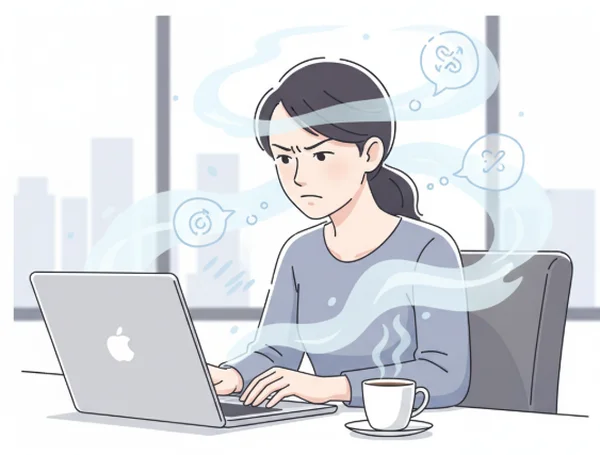
One of the first signs of strain in professionals is "brain fog." You might notice that tasks that used to take thirty minutes now take two hours. You might struggle to make simple decisions or find your memory feels slippery. These aren't signs of losing your intelligence; they're signs that your brain is protecting itself from chronic stress.
Emotional Exhaustion Behind the Mask: What You're Feeling vs. What You're Showing
On the outside, you look calm and composed. On the inside, you might feel a constant sense of dread. Do you find yourself snapping at family members over small things or feeling like crying for no clear reason? This emotional volatility is a major red flag. When your internal "emotional tank" is empty, even a tiny request can feel like an attack.
Performance Paradox: When Working Harder Leads to Diminishing Returns
The "Performance Paradox" happens when you increase your hours but your quality of work plateaus or drops. You might stay at the office late every night, but you aren’t actually producing more value. This happens because creativity and problem-solving skills die when you're depleted. You’re busy, but you aren’t being productive.
Why High-Functioning Burnout Happens: Understanding the Root Causes
This isn’t just about working too much; it’s about the way we work and the environments we inhabit. To change your path, you should start your test to identify which areas of your life are causing the most friction.
The Achievement Trap: How Success Patterns Contribute to Strain
The very habits that made you successful can also lead to exhaustion. Saying "yes" to every opportunity helped you climb the ladder, but now that you're at the top, that same habit is burying you alive. High achievers often struggle to set boundaries because they view them as a sign of weakness.
Cultural Pressures: Why High Performers Are Particularly Vulnerable
We live in a world that rewards "always-on" behavior. Corporate culture often celebrates those who work 80 hours a week. For high performers, the pressure to maintain a certain status is immense. You might feel that if you slow down, you’ll be replaced. This external pressure makes it very hard to admit you need help.
Personality Factors: Perfectionism and the Connection to Depletion
Perfectionism is the fuel of high-functioning exhaustion. If you believe everything must be flawless, you'll never feel a sense of rest. Perfectionists don’t just work hard; they worry hard, spending hours ruminating on small mistakes. This constant mental activity prevents the nervous system from ever entering a state of true recovery.
Navigating Recovery: Rebuilding Without Losing Your Edge
The good news is that you don't have to quit your career to recover. You just need to change your operating system by learning how to be a high-performer sustainably.
Redefining Success: Sustainable Achievement That Lasts
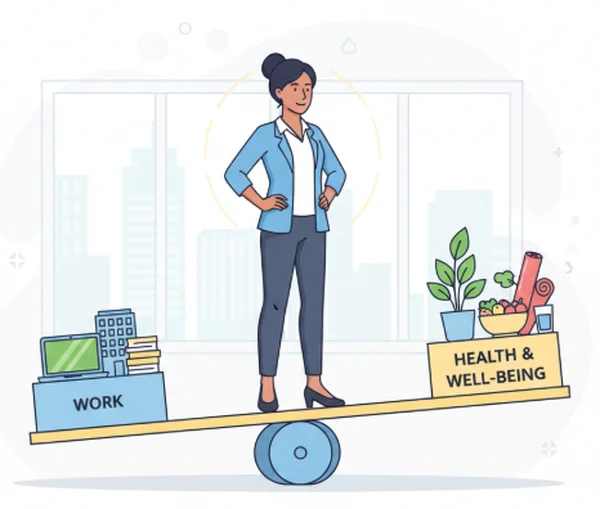
The first step in recovery is changing how you define success. Instead of measuring how much you can produce in a day, try seeing success as how much impact you can have while staying healthy. A successful professional is someone who can perform at a high level for decades, not someone who crashes after three years.
Strategic Recovery: How to Recharge Without Falling Behind
Recovery doesn’t mean doing nothing; it means doing the right things. High-performers often benefit from "active recovery" strategies:
- Micro-breaks: Taking five minutes every hour to step away from screens.
- Digital Sunsets: Turning off all work notifications after a specific hour.
- Deep Play: Engaging in a hobby that has nothing to do with your work or status.
- Physical Movement: Light exercise that lowers cortisol rather than intense workouts that add more stress.
Building Resilience: Systems That Protect High Achievers
To prevent professional exhaustion from returning, you need systems. This means setting hard boundaries on your time and learning the "Art of the No." When you say no to a low-priority task, you're saying yes to your long-term career health. You might also consider using tools like AI-driven reports to get a deeper look at your stress patterns and create a personalized action plan.
Your Path to Sustainable Success
High-functioning burnout creeps in quietly, gradually eroding what makes work meaningful and rewarding. The good news? Recognizing these signs isn't a weakness—it's actually proof of your self-awareness and commitment to sustainable success.
You don’t have to give up your ambitions to feel better. You simply need to find a way to work that respects your human limits. The most successful people are those who know when to push and when to protect their energy.
Don’t wait until your body forces you to stop. Understanding your personal risk level is the first step toward a healthier, more sustainable career. Take the test today to get science-backed insights and a clear path forward.
The Takeaway
Can you experience exhaustion while still performing well?
Yes, absolutely. This is the hallmark of high-functioning professional exhaustion. Many people keep delivering quality results driven by a strong sense of duty or fear of falling short. Meanwhile, their internal state is deteriorating. If you feel miserable but your boss thinks you’re doing great, you may still be at high risk. You can use the tool on our homepage to see where you stand.
How is high-functioning burnout different from regular burnout?
The main difference is visibility. Regular burnout often leads to a visible drop in performance or absenteeism. High-functioning exhaustion is invisible to others because the individual continues to meet their obligations. It’s often more dangerous because it can go on for years before a person reaches a breaking point.
Is this hidden form of burnout more dangerous?
It can be, because it’s harder to detect. Without external signs, you might not receive support from friends or family. This leads to a longer duration of chronic stress, which can cause serious physical health issues like heart disease, insomnia, and a weakened immune system.
Can high achievers recover without sacrificing their career goals?
Yes. Recovery is about changing the method of achievement, not the goals themselves. By learning to delegate, set boundaries, and prioritize recovery, high achievers can actually become more effective and creative in the long run.
How do I talk to my boss about this while I'm still performing well?
Focus on "sustainability" and "performance." You might say, "I want to ensure I can continue delivering at this high level for the long term. To do that, I need to adjust my workload to prevent exhaustion." Most managers would rather help you adjust now than lose a top performer later.