High-Functioning Burnout: Spot Hidden Signs & Self-Assess Your Risk
Introduction: The Paradox of Performance: Are You Burnt Out But Don't Know It?
You’re still hitting deadlines, leading projects, and receiving praise at work. On the outside, you look like the model of success. But on the inside, you feel a deep, persistent exhaustion that a good night's sleep can't fix. You might feel disconnected from your work, irritable, or find it harder to focus. This is the paradox of high-functioning burnout.
Many ambitious professionals dismiss these feelings as normal stress or a temporary slump. They believe that because their performance hasn't crashed, they can't possibly be burnt out. But what if your success is masking a serious problem?
This article helps you unmask this hidden condition. We'll explore the subtle symptoms overachievers often miss, differentiate it from everyday pressure, and guide you toward a clear path for self-assessment. The first step to reclaiming your energy is understanding what's really going on. A reliable burnout test can provide a data-driven picture of your current state, and you can take a confidential assessment at any time.

Unmasking High-Functioning Burnout: A Deeper Look
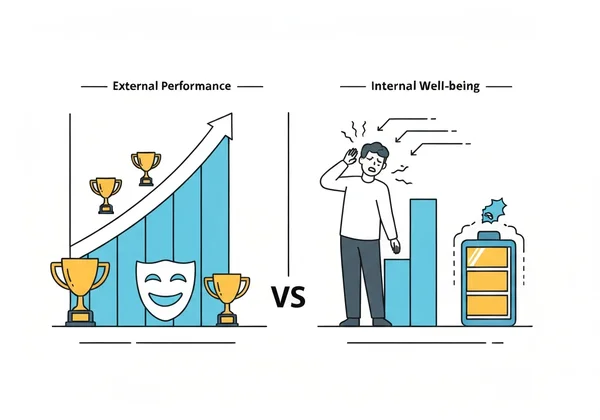
High-functioning burnout lets you maintain performance while suffering internally. It’s severe, chronic stress masked by productivity. Unlike classic burnout, where performance visibly drops, this version is hidden behind a facade of productivity. It’s a silent drain on your mental, emotional, and physical resources, making you feel like you're running on an empty tank while still winning the race.
This condition is especially common among high-achievers, perfectionists, and those in demanding roles who feel immense pressure to maintain their output. They often have excellent coping mechanisms that allow them to push through exhaustion, but this only delays the inevitable crash.
The Stealthy Symptoms: How Success Masks Exhaustion
Because you're still getting things done, it's easy to overlook the warning signs. The symptoms of high-functioning burnout are often subtle and can be mistaken for other things, like tiredness or a bad mood. They creep in slowly, disguised by your ongoing success.
Here are some of the stealthy signs to watch for:
-
Chronic Exhaustion: You feel bone-tired, even after a weekend of rest. This isn't just physical; it's a deep emotional and mental fatigue.
-
Increased Cynicism or Detachment: You start feeling disconnected from your job, colleagues, and the purpose of your work. Passion is replaced by cynicism or a sense of just going through the motions.
-
Heightened Irritability: Small problems or interruptions that you used to handle with ease now trigger frustration or anger.
-
Constant Brain Fog: You struggle with focus, memory, and making decisions. It feels like you’re thinking through a thick fog.
-
Neglecting Self-Care: You skip meals, sacrifice sleep, or abandon hobbies because work consumes all your time and energy.

Not Just Stress: Differentiating From Everyday Pressure
Everyone experiences stress. A looming deadline or a challenging project can create temporary pressure that motivates us. The key difference between stress and high-functioning burnout lies in duration and feeling.
Stress is often characterized by a sense of urgency and hyperactivity. You feel overwhelmed, but you believe that once the task is complete, you will feel relief. Burnout, on the other hand, is characterized by helplessness and emotional emptiness. You don’t see a light at the end of the tunnel.
Think of it this way: Stress is drowning in responsibilities, while burnout is feeling completely dried up. With high-functioning burnout, you’re still swimming, but you have no water left to give.
Decoding the Silent Burnout Signs in Overachievers
Overachievers are masters at pushing past their limits. This resilience is a strength until it prevents them from recognizing the silent signs that their well-being is at risk. Understanding these specific cues is critical for early intervention.
The Emotional & Cognitive Drain: Perfectionism's Price
The internal toll of high-functioning burnout is significant. Perfectionism, a common trait in high performers, often fuels this drain. The constant pressure to produce flawless work means you never feel a sense of accomplishment, only temporary relief before the next task begins.
This leads to:
- Anhedonia: A loss of pleasure in activities you once enjoyed, both at work and in your personal life.
- Procrastination on Complex Tasks: You have the energy for simple, administrative work but avoid strategic or creative thinking because it feels too draining.
- Imposter Syndrome: Despite your achievements, you feel like a fraud and live in fear of being exposed. This anxiety consumes a huge amount of mental energy.
Physical & Behavioral Cues: What Your Body & Habits Are Telling You
Your body often keeps score even when your mind tries to ignore the problem. High-functioning burnout manifests in tangible physical symptoms and behavioral shifts. These are not signs of weakness; they are your body’s alarm system.
Physical cues may include:
- Frequent headaches or muscle pain
- Sleep disturbances (trouble falling asleep or staying asleep)
- Weakened immune system, leading to more frequent colds
- Changes in appetite or digestion
Behavioral changes to watch for:
- Working longer hours to achieve the same results
- Withdrawing from social activities with friends and family
- Increased reliance on caffeine, alcohol, or other substances to cope
- A "work martyr" mentality where you refuse to take time off
If these physical and behavioral cues feel familiar, it's okay to feel this way—many high achievers do. But ignoring them isn't sustainable. Tracking these symptoms can signal burnout, and for a clearer picture, you can take our confidential burnout test. An objective assessment like this helps validate your feelings and provides a starting point for change. You can start your test for free and see your results instantly.
Why Conventional Burnout Assessments Fall Short for High Performers
Many standard burnout questionnaires ask about declining job performance or missing work. For a high-functioning individual, these questions don't apply. You haven't missed a deadline, and your performance reviews are still glowing. This is why you might take a generic test and get a result that says you're fine, even when you feel like you're falling apart.
A truly effective assessment must look beyond surface-level performance. It needs to measure the core dimensions of burnout as defined by scientific research, such as the Maslach Burnout Inventory (MBI):
- Emotional Exhaustion: The feeling of being emotionally overextended and depleted.
- Depersonalization (or Cynicism): A sense of detachment from your job and colleagues.
- Reduced Personal Accomplishment: Feeling incompetent and lacking a sense of achievement.
An assessment built on these principles can detect the internal erosion of well-being, even when external productivity remains high. Standard tests often overlook overachievers, but ours, based on MBI principles, identifies hidden burnout.
From Awareness to Action: Self-Assessment & Next Steps
Recognizing the signs of high-functioning burnout is a critical first step. The next is to move from awareness to action. This begins with gaining clarity about your specific situation through objective self-assessment.
Is It Burnout or Just Low Motivation? Get Clarity.
It's common for overachievers to ask themselves, "Am I burnt out, or am I just being lazy?" This self-doubt can be paralyzing. The answer often lies in the context of your feelings.
Low motivation is usually temporary and tied to a specific task you find boring or unfulfilling. Burnout is a pervasive state of exhaustion and cynicism that colors your entire work experience. You may still want to be motivated and productive, but you simply don't have the emotional or mental capacity for it anymore. An assessment can help you cut through this confusion and provide an objective measure of your experience.
How a Science-Backed Burnout Test Reveals Hidden Risks
A reliable self-assessment tool gives you a name for what you’re experiencing and a baseline from which to measure progress. Look for tools grounded in psychological research—they deliver credible, meaningful insights about your burnout risk.
Answer honestly and privately with a confidential online burnout test—no judgment, just clarity. Within minutes, you can receive an instant summary of your risk levels across the core dimensions of burnout. For those seeking deeper insights, our platform also offers an optional AI-driven personalized report that provides actionable steps tailored to your unique situation. This empowers you to start a constructive conversation with a manager, a therapist, or even just yourself.

Reclaiming Your Energy: Take Control of High-Functioning Burnout
High-functioning burnout is a real and draining condition that hides behind your greatest strengths: your ambition, resilience, and dedication. But continuing to push through the exhaustion isn't sustainable. Recognizing the subtle signs—the chronic fatigue, the creeping cynicism, and the cognitive fog—is the first act of taking back control.
You don't have to wait for a crash to validate your feelings. Understanding where you stand is the most powerful step you can take toward recovery. By moving from suspicion to certainty, you can begin making intentional choices to protect your well-being, set healthier boundaries, and rediscover the joy in your work and life.
If these signs feel familiar, don't wait for a crash to validate your feelings. See where you stand in minutes—take our free burnout test now to gain clarity and begin your journey toward reclaiming your energy.
Common Questions About High-Functioning Burnout
Is It High-Functioning Burnout, Stress, or Just Lack of Motivation?
Stress is typically short-term and related to specific pressures, while burnout is a long-term state of emotional and physical depletion. Lack of motivation is often temporary and task-specific. High-functioning burnout is unique because you maintain high performance despite feeling internally exhausted, cynical, and detached from your work's purpose.
What Does High-Functioning Burnout Fatigue Feel Like?
It's a profound exhaustion that sleep doesn't fix. It feels like a heavy weight on both your mind and body. You might wake up feeling as tired as when you went to bed. This fatigue makes it difficult to concentrate, be creative, or engage emotionally, even though you force yourself to complete your work tasks.
How Can I Effectively Test for High-Functioning Burnout?
The most effective way is to use a science-backed burnout test that measures the core dimensions of burnout (emotional exhaustion, cynicism, and personal accomplishment) rather than just drops in performance. A confidential online assessment tool is an excellent first step to gain objective insights into your personal experience.
What Can High-Functioning Burnout Be Mistaken For?
High-functioning burnout is often mistaken for depression, anxiety, or simply the normal effects of a demanding job. Because the individual is still performing well, colleagues and even doctors might overlook the root cause. This is why a specific burnout assessment is so valuable for achieving clarity.