Autism Burnout: Signs, Prevention & Self-Assessment
Have you ever felt like your internal battery is not just empty, but completely broken? For neurodivergent people, this is autism burnout—far deeper than everyday fatigue. It’s total shutdown: physical, mental, and emotional exhaustion lasting weeks or longer.
Are you struggling to keep up with daily tasks that used to feel easy? If so, you’re likely experiencing a specific type of collapse that requires a unique approach to healing. Understanding this condition is the first step toward reclaiming your energy and well-being.
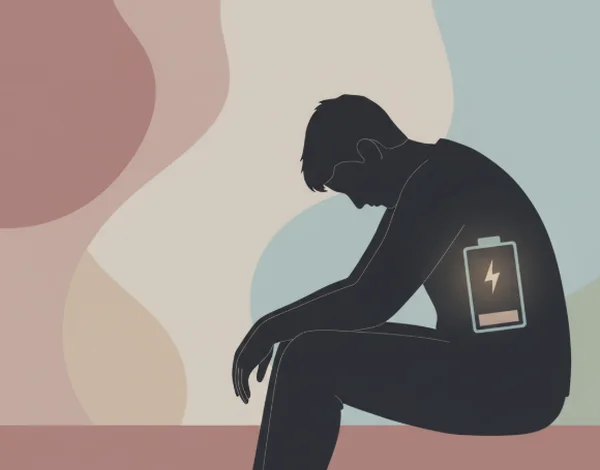
Let’s explore how to spot neurodivergent burnout – and reclaim your energy on your terms. If you feel overwhelmed right now, you can take our autism-friendly burnout assessment to better understand your stress levels and identify your risk.
Understanding Neurodivergent Burnout in Autism
To manage neurodivergent burnout, we must first define it clearly. Unlike standard workplace stress, this condition is deeply tied to how an autistic brain interacts with a world not built for it. It results from long-term "masking"—hiding autistic traits to fit social norms—and the constant effort of navigating sensory-heavy environments.
Standard burnout usually comes from overworking. However, autism burnout comes from "over-existing" against your natural rhythm. When social demands exceed your capacity, your system eventually shuts down. This isn’t laziness; your brain is protecting itself.
What Makes Autism Burnout Unique?
Social masking defines autism burnout’s uniqueness. Autistic adults often train relentlessly to mimic eye contact or hide stimming. These exhausting acts drain cognitive energy and leave your "fuel tank" empty.
Another unique aspect is skill regression. During burnout, you might lose skills you once mastered. Simple tasks like cooking, speaking clearly, or scheduling can suddenly feel impossible. This is a neurological survival mechanism, not a personal failing. Recognizing these differences is why using a burnout test designed to look at deep stress patterns can be so helpful.
The Three Faces of Autism Burnout: Emotional, Sensory, and Cognitive
We can break down this exhaustion into three main categories:
- Emotional Exhaustion: This feels like "compassion fatigue" or an inability to regulate moods. You’ll feel irritable, hopeless, or completely numb.
- Sensory Overload: In this state, your brain loses its ability to filter background noise or bright lights. Things that were once mildly annoying become physically painful.
- Cognitive Fatigue: This is often called "brain fog." You’ll find it difficult to make decisions, solve problems, or remember simple information.
Recognizing Autism Burnout: Key Signs and Symptoms
You must identify autism burnout signs early to prevent a total collapse. Neurodivergent people often have different ways of sensing their own bodies. Because of this, you might not notice you are burning out until you can no longer function.
Knowing the symptoms helps you set boundaries early. It also helps you explain your needs to employers or family members who don't understand your struggle.
Physical and Sensory Signs: Beyond Standard Burnout
Physical signs are often the most visible indicators. You’ll spot a significant increase in sensory sensitivity. For example, the sound of a ticking clock or a humming refrigerator might feel unbearable.
Other physical signs include:
-
Chronic Pain: Headaches or digestive issues caused by high cortisol.
-
Motor Fatigue: A "heavy" feeling in the limbs that makes getting out of bed difficult.
-
Meltdowns and Shutdowns: An increase in explosive tension releases or becoming non-verbal.
-
Sleep Disruption: Sleeping for long hours but never feeling rested.
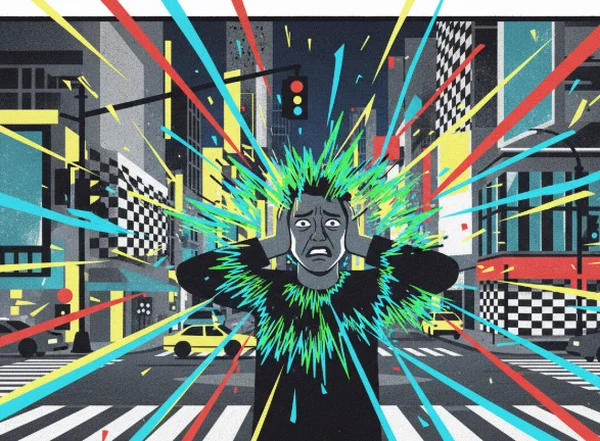
Emotional and Behavioral Indicators
Behaviorally, you’ll find yourself withdrawing from social life entirely. This is more than wanting alone time; it is a desperate need for a low-stimulus environment. You may also find that you can no longer "mask" your traits. You’ll likely stim more frequently or lose interest in your favorite hobbies.
Emotionally, many people report a feeling of "detachment." You may feel like you are watching your life happen from a distance. This is a form of dissociation. Your brain uses it when the environment feels too threatening to process.
When to Take an Autism Burnout Test for Self-Assessment
If you are reading this and nodding your head, it is time to objectively measure your stress. Self-assessment is a powerful tool for validation. It shifts your perspective from "I’m just lazy" to "I have a measurable, high risk of burnout."
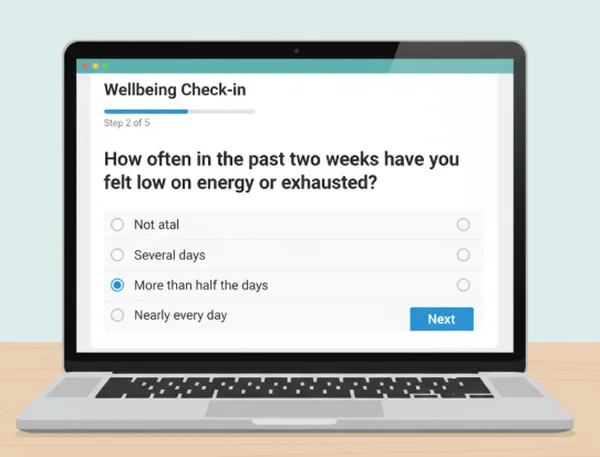
Taking a moment to get your burnout score provides you with data. This information forms the foundation for a conversation with a therapist or a request for workplace accommodations.
Using a Specialized Burnout Test for Autistic Individuals
Many tests focus only on "work tasks." However, a comprehensive burnout test should look at your overall quality of life and energy levels. Our assessment uses Maslach Burnout Inventory (MBI) principles, which are the gold standard in psychology.
The test identifies fundamental dimensions like exhaustion and reduced personal efficacy. For a neurodivergent person, seeing these results can be a "lightbulb moment." It proves that your struggle is real and documented by science.
Interpreting Your Results: What Different Levels Mean
Once you complete the assessment, you will receive a summary of your risk level.
- Low Risk: You may be experiencing a stressful week. Focus on rest and "recharging" immediately.
- Moderate Risk: This is a warning sign. Start removing demands from your life and increase your sensory support.
- High Risk: You are likely in active burnout. Seek professional support and make significant changes to your daily routine to allow for recovery.
After getting your summary, you can view your personalized burnout report to receive specific action plans tailored to your needs.
Prevention and Recovery Strategies for Autism Burnout
Recovery is not about "pushing through." In fact, pushing through is what causes the problem. Recovery is about "pulling back." You must lower the demands placed on your brain until your nervous system feels safe again. This process takes time, so be kind to yourself as your skills return.
Building Sensory-Friendly Resilience
One of the best ways to recover is to create a "sensory sanctuary." This is a space where you have total control.
- Reduce Input: Use noise-canceling headphones and dim the lights.
- Low-Demand Days: Schedule days with zero social obligations.
- Stimming for Regulation: Allow yourself to stim freely. Rocking, pacing, or using fidget toys helps regulate the nervous system and release trapped energy.
Communication Strategies for Support Systems
You do not have to do this alone. When explaining neurodivergent burnout to others, use clear, functional language. Instead of saying "I'm overwhelmed," try saying "My sensory system is at its limit. I need 30 minutes of silence before I can talk."
In the workplace, request written instructions instead of verbal meetings. This reduces the cognitive load of processing speech. Setting these boundaries ensures you have the tools to remain healthy.
Reclaiming Your Energy
If you’re feeling trapped in endless exhaustion, remember: Autism burnout doesn’t define you. Recovery begins when you honor your neurological needs. Your value is not tied to how well you "act neurotypical" or how much you produce while exhausted.
The first step to recovery is awareness. If you are feeling unsure about your status, generate your action plan today. Our science-backed tool will give you the clarity you need to stop guessing and start healing. Take a deep breath, listen to your body, and give yourself the permission to rest.
The Takeaway
What is the difference between autism burnout and standard burnout?
Standard burnout usually relates to work stress and over-achievement. Autism burnout is caused by the cumulative effect of navigating a neurotypical world. This includes sensory overload and the constant mental effort of "masking" autistic traits.
How can I tell if I'm experiencing autism burnout or just regular stress?
Regular stress usually fades after a weekend off. Autism burnout is persistent. You may feel exhausted after ten hours of sleep and notice you are losing skills or becoming more sensitive to noise. You can calculate your burnout risk to see where you land on the scale.
Is the burnout test appropriate for autistic individuals?
Yes. The assessment identifies the fundamental dimensions of burnout—exhaustion and reduced personal efficacy. These factors apply to everyone, including neurodivergent individuals.
How does masking contribute to autism burnout?
Masking is the process of suppressing your natural autistic behaviors. It requires constant monitoring of your body language and tone of voice. This creates a massive "cognitive load" that eventually drains your energy.
What are the first steps to recover from autism burnout?
The first step is to reduce sensory and social demands immediately. Say "no" to extra responsibilities and spend time in a quiet environment. It is also helpful to review your burnout summary to understand the severity of your condition.